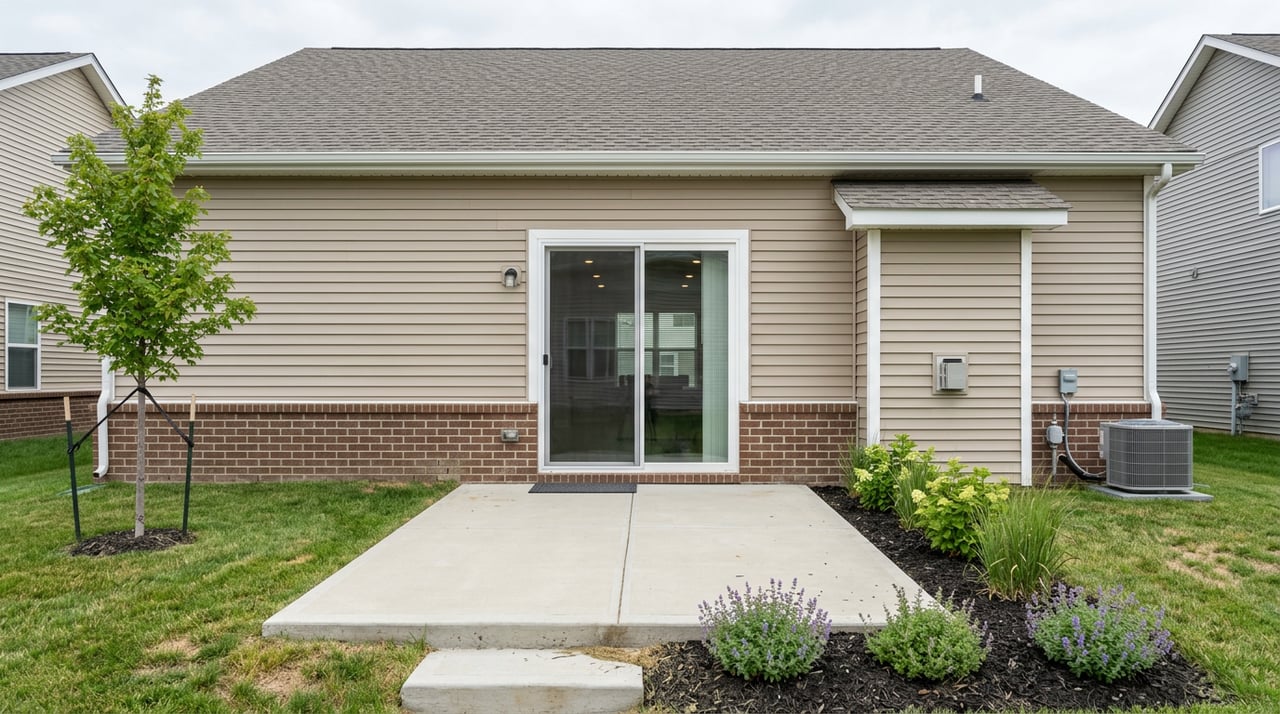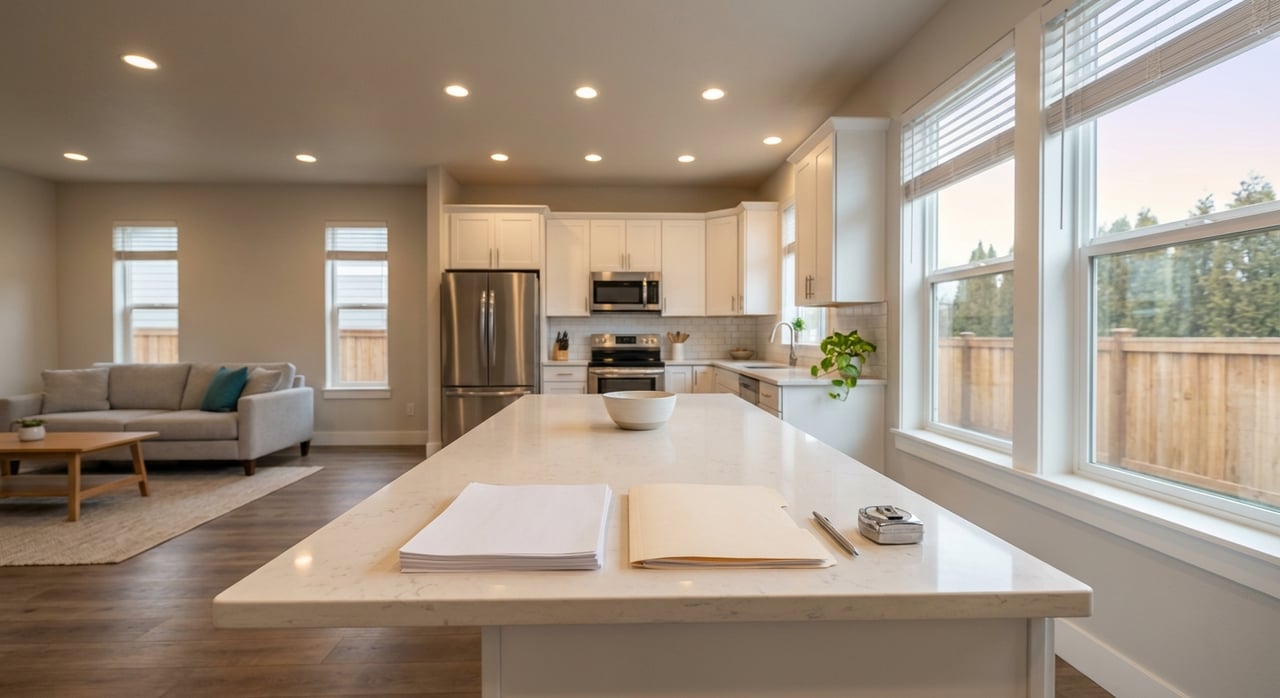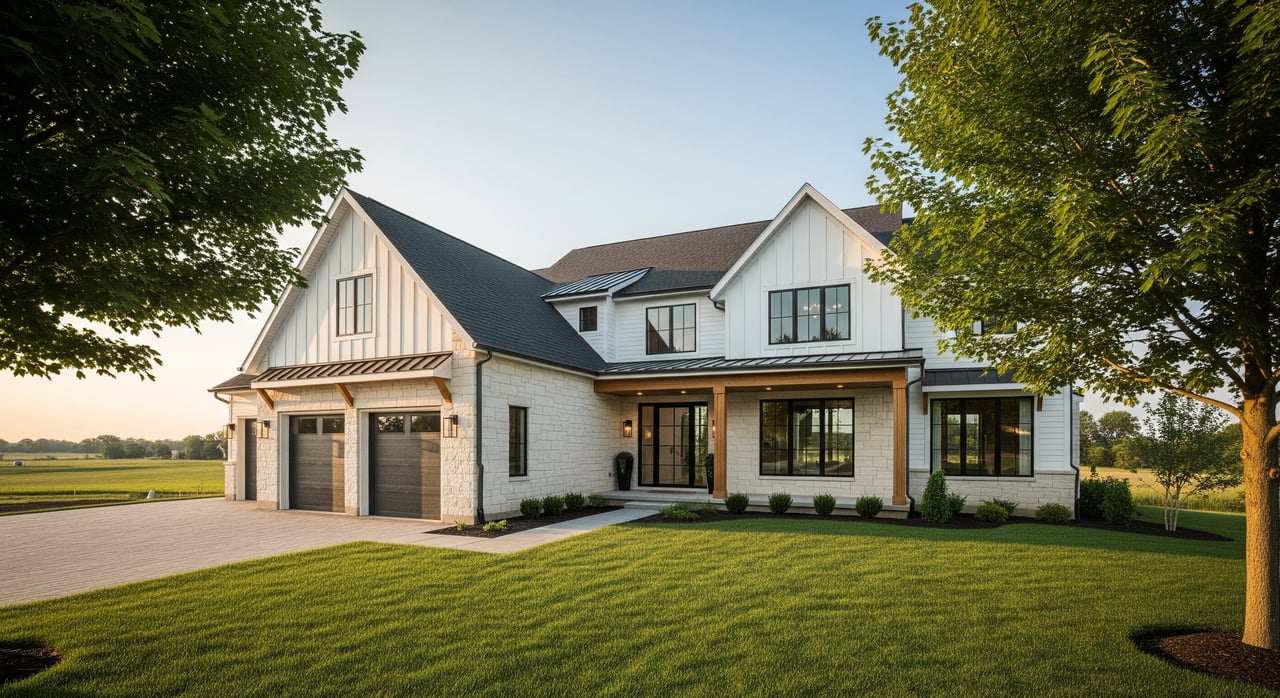
Thinking about a brand-new home in Bondurant? You want modern layouts, efficient systems, and a smooth commute into the Des Moines metro. Buying from a builder is exciting, but it follows a different playbook than resale. In this guide, you’ll learn how new construction works in Bondurant, what timelines and budgets to expect, how to handle inspections and warranties, and how to protect your interests from contract to closing. Let’s dive in.
Why Bondurant fits new builds
Bondurant sits in Polk County within the Des Moines metro. Many buyers choose it for newer subdivisions, recent infrastructure, and relatively easy access to regional job centers. The city’s growth has come from single-family neighborhoods developed on former rural land.
You’ll find a range of new-home options and lot sizes. Neighborhoods often include sidewalks, stormwater systems, and homeowners’ associations with covenants and architectural guidelines. The area is served by the Bondurant-Farrar Community School District. If schools are a factor in your decision, confirm current boundaries directly with the district.
Your new construction options
Production homes
These are the most common in Bondurant. You select from set floor plans and finish packages. Builders often have model homes and quick-move inventory that can close in 30 to 90 days when complete.
Semi-custom homes
You start with a standard plan but can make limited structural changes or choose higher-end finishes. These builds often sit on developer lots or in smaller enclaves.
True custom homes
You bring your plan and select a builder for a chosen lot. True custom is less common inside larger subdivisions and usually takes longer to complete.
Townhomes and attached homes
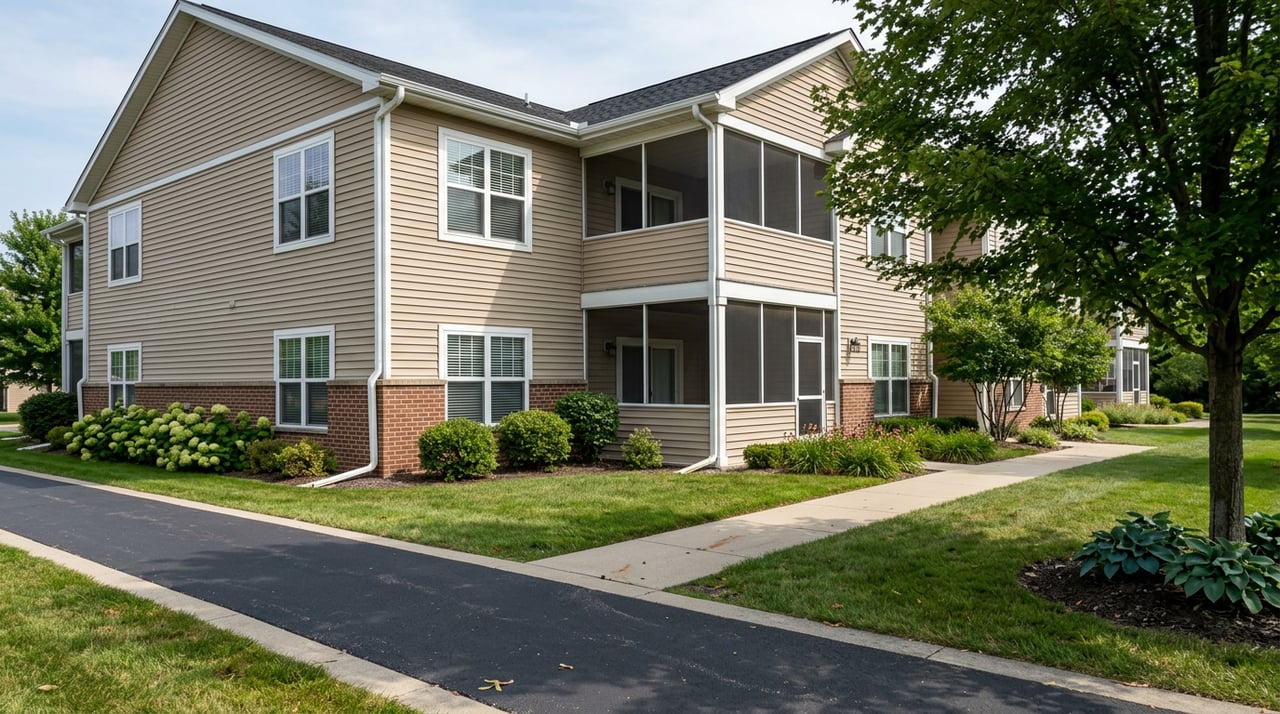
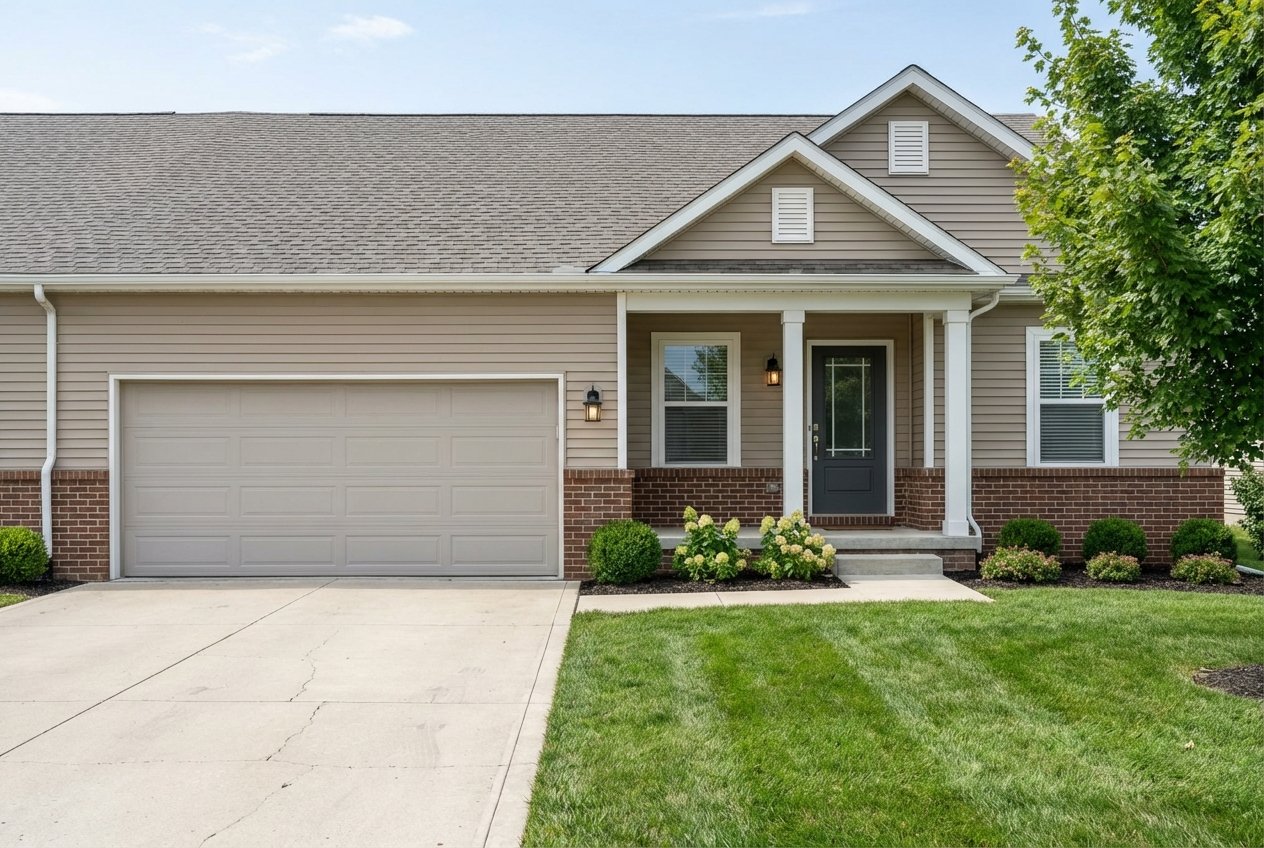
Attached options appear in select projects, though detached single-family homes are more prevalent. Expect HOAs and covenants that guide exterior changes and maintenance requirements.
Step-by-step buying process
- Preliminary research
- Compare neighborhoods, builders, lot availability, and commute patterns. Review HOA rules if applicable. If schools or services matter to you, confirm boundaries and policies with the appropriate local agencies.
- Lot reservation or selection
- Some lots carry premiums for location features like cul-de-sacs or corner sites. Ask for a full lot map and pricing list.
- Purchase contract
- Builders usually use their own contracts, which can differ from a standard purchase agreement. Clarify contingencies, timelines, and deposit schedules before you sign.
- Selections and upgrades
- Choose finishes, packages, and any approved structural options. Get an itemized list of what is included in the base price and what costs extra.
- Permitting and site work
- The city issues permits, then crews complete grading and utility connections before vertical construction.
- Construction phases
- Typical order: foundation, framing, mechanicals, drywall, finishes, and punch list. Ask for milestone updates in writing.
- Final walkthrough and closing
- After the certificate of occupancy, you complete a walkthrough to note corrections. You then close with your lender and title company.
- Warranty and follow-up
- After move-in, you work with the builder’s warranty process for covered items. Keep all documents and submit requests as directed.
Timelines to expect
Timelines vary by builder workload, weather, supply chains, and permit turnarounds. Quick-move homes can close in 30 to 90 days if already complete. A typical production build from lot selection to move-in often runs 4 to 8 months.
Semi-custom or custom homes can take 6 to 12 months or more. If you request changes after signing, expect possible cost and schedule impacts. Always get estimated completion windows and allowances for delays in writing.
Budget the full cost
A builder’s base price rarely reflects your true move-in cost. Review every line item before you commit.
- Base price of the plan
- Lot premium
- Structural options and finish upgrades
- Appliance and lighting packages
- Landscaping, irrigation, and exterior features
- Site work and utility connection fees
- City or county permitting and impact fees
- Closing costs, title insurance, and lender fees
- HOA initiation and dues, if applicable
- Items often excluded from base price, like window coverings or certain outdoor features
Smart upgrade strategy
- Ask for a detailed inclusion sheet and a written cost sheet for every option.
- Confirm allowances for items like countertops or appliances. If you exceed an allowance, you will pay the difference through a change order.
- Build a contingency in your budget for late design choices. Many buyers add upgrades after signing.
Incentives and lender choices
- Builders may offer promotions like appliance packages, closing-cost credits, or rate buydowns. These are often tied to using a preferred lender or closing agent.
- Compare offers with independent lenders to see the true cost difference.
- Ask if incentives apply to both quick-move inventory and to-be-built homes.
Financing your build
Quick-move inventory usually finances like a resale with conventional, FHA, or VA loans. For to-be-built homes, you might use a construction-to-permanent loan or a two-loan approach that converts to a standard mortgage at completion. FHA and VA one-time-close programs may be available for qualifying borrowers, subject to current program rules.
Discuss mortgage rate locks early so you understand your exposure during construction. Appraisals for new builds typically compare to recent new-construction sales in the same subdivision. Ask your lender how they handle appraisals in developing neighborhoods.
Inspections and warranties
New homes still benefit from independent inspections. Best practice is to hire a licensed inspector at key stages, such as foundation, pre-drywall, and final. These inspections complement the builder’s quality checks and city code inspections and help you build a thorough punch list.
Many builders summarize warranty coverage with a “1-2-10” structure, such as one year on workmanship and materials, two years on systems like electrical and plumbing, and ten years on structural items. Warranty terms vary by builder, so obtain the full written warranty and study coverage, exclusions, and claim steps. Some warranties are backed by third-party companies, which may add another layer of recourse.
Contracts and representation
Builder sales representatives typically represent the builder, not you. You are entitled to hire a buyer’s agent to protect your interests, review the contract, and coordinate inspections and closing. Confirm in writing how your agent will be compensated and sign a buyer representation agreement if you plan to work together.
Builder contracts often include unique terms on timelines, inspections, change orders, and deposits. Consider adding protections like clear completion windows, itemized inclusion lists, and defined inspection rights at key construction stages. Require written authorization for every change order with exact price and schedule impacts.
HOA rules and maintenance
Most new subdivisions include HOAs with covenants, conditions, and restrictions. Review architectural guidelines and approval processes before you pick your lot or plan exterior features. After closing, confirm responsibilities for lawn establishment, landscaping, and any ongoing maintenance the HOA does not cover.
Local homework checklist
Use this quick list to keep your Bondurant new-build on track:
- City and permits: Confirm expected permit timelines and any impact fees.
- Subdivision map: Review the full plat, available lots, and any special assessments.
- Builder documents: Get inclusions, options pricing, deposit schedules, and timelines in writing.
- HOA and covenants: Read CC&Rs and architectural controls before you finalize selections.
- Schools and services: Verify any boundaries or service providers relevant to your needs.
- Lender and incentives: Compare preferred-lender incentives to independent quotes.
- Monthly costs: Add taxes, insurance, HOA dues, utilities, and lawn care to your mortgage.
- Inspections and warranty: Schedule third-party inspections and review the full warranty.
Ready to explore Bondurant new builds?
If you want a clear plan from lot selection to closing day, I’m here to help you compare neighborhoods, builders, and budgets so you can buy with confidence. Let’s talk through your timeline and build a step-by-step path that fits your goals. Reach out to me at Amer M Real Estate to get started.
FAQs
How long does new construction take in Bondurant?
- Quick-move homes can close in 30 to 90 days if complete. A typical production build often takes 4 to 8 months, while semi-custom or custom homes may run 6 to 12 months or more depending on weather, permits, and builder scheduling.
What inspections should I schedule for a Bondurant new build?
- Hire an independent inspector for foundation, pre-drywall, and final walkthrough stages. These complement city code inspections and help create a thorough punch list before closing.
What is usually included in a builder’s base price?
- The base price commonly excludes lot premiums, many upgrades, some site work, and often items like certain appliances, window coverings, or exterior features. Always request a written inclusion sheet and itemized option pricing.
Do I need a buyer’s agent if I buy from a model home?
- Yes. Builder representatives typically work for the builder. A buyer’s agent advocates for you, reviews contract terms, and helps manage inspections, timelines, and closing details.
How do HOAs work in new Bondurant subdivisions?
- Many neighborhoods have HOAs with covenants and architectural controls. Read CC&Rs to understand design approvals, exterior rules, dues, and any maintenance responsibilities before you finalize your lot and selections.
Which loan types work for new construction in Polk County?
- Quick-move inventory often uses conventional, FHA, or VA loans. To-be-built homes may use construction-to-permanent financing or a two-loan approach, and some borrowers may qualify for FHA or VA one-time-close options.
How do builder warranties typically work on new homes?
- Many builders follow a structure like 1 year for workmanship and materials, 2 years for systems, and 10 years for structural items. Always review the full written warranty for exact coverage and claims procedures.